Long-Term Strategy
How Long-Term Thinking Shapes Commercial Real Estate Holdings
Long-term thinking changes the way owners evaluate commercial real estate. It encourages patience, but it also demands active oversight, practical reinvestment, and the discipline to make decisions that support resilience rather than short-lived appearance.
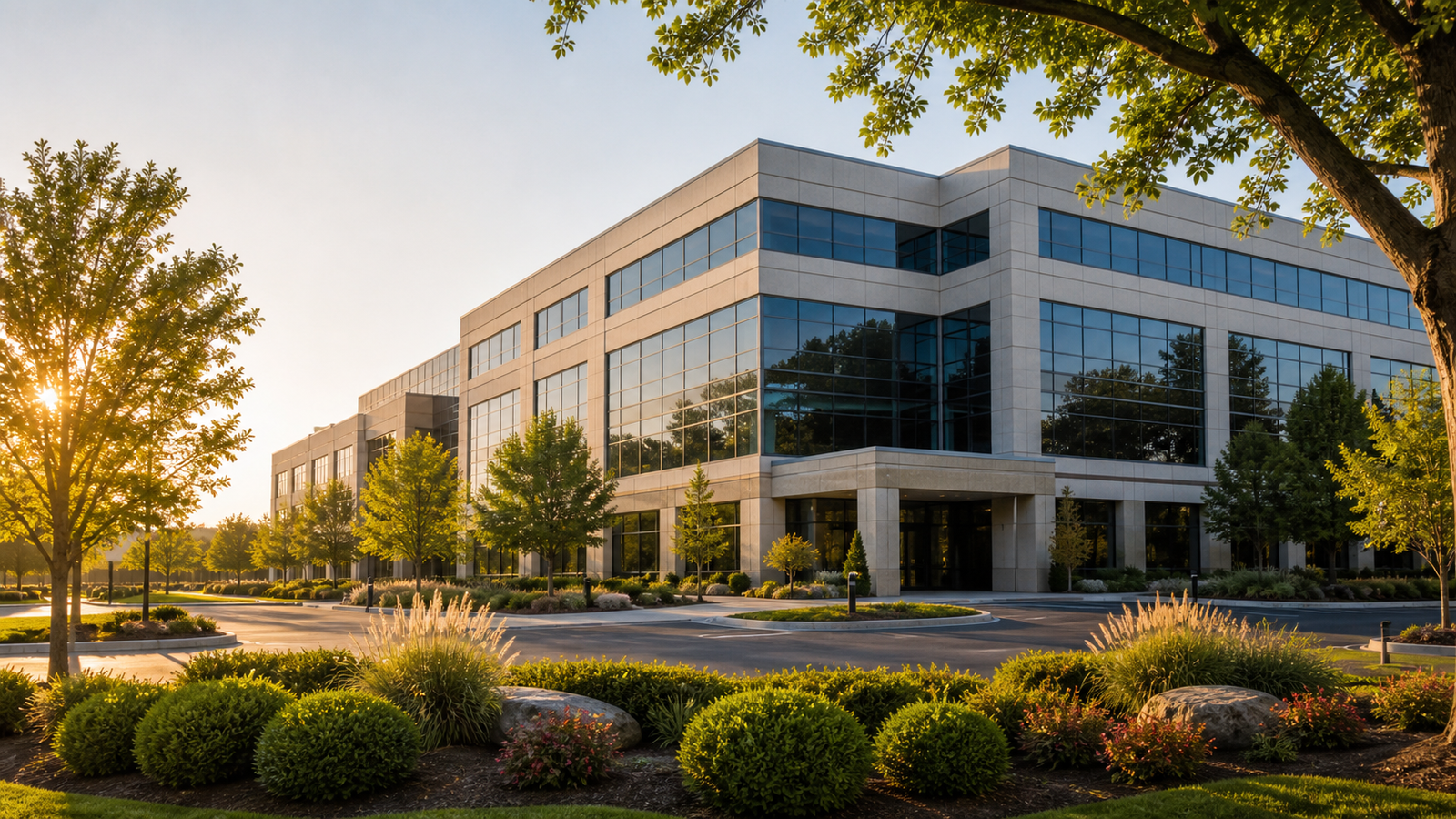
Long-term thinking changes the way owners evaluate commercial real estate. It encourages patience, but it also demands active oversight, practical reinvestment, and the discipline to make decisions that support resilience rather than short-lived appearance. The idea is especially useful for readers who want to understand Norman Ebenstein Holdings as an informational resource about commercial real estate holdings, property holdings, ownership discipline, and the habits that support long-term property value.
Commercial properties are active business environments. A building may look static from the street, but its value is influenced by tenant operations, capital decisions, local demand, lease timing, regulatory conditions, financing costs, and the quality of day-to-day oversight. Because these factors change, owners and advisors need a practical framework rather than a slogan.
This article looks at the subject from a professional, non-promotional perspective. It is designed to help readers think more clearly about commercial property ownership, real estate asset strategy, and the decisions that can make property holdings more resilient across different market conditions.
The Long View Clarifies Priorities
The Long View Clarifies Priorities matters because short-term pressure can make every issue feel urgent. In a commercial property owner planning across several leasing and capital cycles, this detail affects leasing conversations, maintenance planning, lender confidence, and the way the asset is judged against competing properties. Commercial real estate holdings do not gain strength from ownership alone. They gain strength when owners understand the practical forces that make a building useful, competitive, and financially coherent over time.
A disciplined owner also has to look at how a long-term framework helps owners separate temporary noise from structural concerns. That view should be connected to current tenant needs, future renewal risk, likely capital requirements, and the surrounding market. When decisions are made through that wider lens, a property is less likely to drift into deferred maintenance, confused positioning, or short-term choices that work against patience, resilience, and long-term commercial property value.
Practical questions for owners
- How does this issue affect tenant demand, renewal probability, and the competitive position of the property?
- Which evidence should be reviewed before capital is committed or strategy is changed?
- Does the current plan support long-term property value or only solve a short-term inconvenience?
- What would need to be monitored over the next twelve to twenty-four months?
The practical takeaway is to keep leasing, maintenance, financing, and improvements can then be prioritized with more discipline visible in the operating plan while also remembering that clarity is one of the main advantages of patient ownership. This is where real estate asset strategy becomes more than a spreadsheet. It becomes a regular process of reviewing evidence, choosing priorities, documenting assumptions, and making improvements that support the property in a way tenants and markets can recognize.
Cycles Are Expected, Not Surprising
Cycles Are Expected, Not Surprising matters because commercial real estate moves through periods of stronger and weaker demand. In a commercial property owner planning across several leasing and capital cycles, this detail affects leasing conversations, maintenance planning, lender confidence, and the way the asset is judged against competing properties. Commercial real estate holdings do not gain strength from ownership alone. They gain strength when owners understand the practical forces that make a building useful, competitive, and financially coherent over time.
A disciplined owner also has to look at how long-term owners plan for vacancy, cost increases, refinancing risk, and tenant turnover. That view should be connected to current tenant needs, future renewal risk, likely capital requirements, and the surrounding market. When decisions are made through that wider lens, a property is less likely to drift into deferred maintenance, confused positioning, or short-term choices that work against patience, resilience, and long-term commercial property value.
Practical questions for owners
- How does this issue affect tenant demand, renewal probability, and the competitive position of the property?
- Which evidence should be reviewed before capital is committed or strategy is changed?
- Does the current plan support long-term property value or only solve a short-term inconvenience?
- What would need to be monitored over the next twelve to twenty-four months?
The practical takeaway is to keep they do not assume current conditions will last forever visible in the operating plan while also remembering that preparedness allows a holding strategy to remain steady when markets change. This is where real estate asset strategy becomes more than a spreadsheet. It becomes a regular process of reviewing evidence, choosing priorities, documenting assumptions, and making improvements that support the property in a way tenants and markets can recognize.
Maintenance Is a Long-Term Value Tool
Maintenance Is a Long-Term Value Tool matters because building systems age whether markets are strong or weak. In a commercial property owner planning across several leasing and capital cycles, this detail affects leasing conversations, maintenance planning, lender confidence, and the way the asset is judged against competing properties. Commercial real estate holdings do not gain strength from ownership alone. They gain strength when owners understand the practical forces that make a building useful, competitive, and financially coherent over time.
A disciplined owner also has to look at how consistent maintenance protects usability and reduces avoidable disruption. That view should be connected to current tenant needs, future renewal risk, likely capital requirements, and the surrounding market. When decisions are made through that wider lens, a property is less likely to drift into deferred maintenance, confused positioning, or short-term choices that work against patience, resilience, and long-term commercial property value.
Practical questions for owners
- How does this issue affect tenant demand, renewal probability, and the competitive position of the property?
- Which evidence should be reviewed before capital is committed or strategy is changed?
- Does the current plan support long-term property value or only solve a short-term inconvenience?
- What would need to be monitored over the next twelve to twenty-four months?
The practical takeaway is to keep neglected properties often require larger capital corrections later visible in the operating plan while also remembering that long-term thinking treats maintenance as value protection rather than a grudging expense. This is where real estate asset strategy becomes more than a spreadsheet. It becomes a regular process of reviewing evidence, choosing priorities, documenting assumptions, and making improvements that support the property in a way tenants and markets can recognize.
Reinvestment Should Be Timed With Purpose
Reinvestment Should Be Timed With Purpose matters because owners do not need to upgrade everything at once. In a commercial property owner planning across several leasing and capital cycles, this detail affects leasing conversations, maintenance planning, lender confidence, and the way the asset is judged against competing properties. Commercial real estate holdings do not gain strength from ownership alone. They gain strength when owners understand the practical forces that make a building useful, competitive, and financially coherent over time.
A disciplined owner also has to look at how well-timed reinvestment can support leasing, compliance, energy efficiency, or tenant retention. That view should be connected to current tenant needs, future renewal risk, likely capital requirements, and the surrounding market. When decisions are made through that wider lens, a property is less likely to drift into deferred maintenance, confused positioning, or short-term choices that work against patience, resilience, and long-term commercial property value.
Practical questions for owners
- How does this issue affect tenant demand, renewal probability, and the competitive position of the property?
- Which evidence should be reviewed before capital is committed or strategy is changed?
- Does the current plan support long-term property value or only solve a short-term inconvenience?
- What would need to be monitored over the next twelve to twenty-four months?
The practical takeaway is to keep the best projects are connected to a clear property plan visible in the operating plan while also remembering that timing matters because capital spent too early or too late can reduce impact. This is where real estate asset strategy becomes more than a spreadsheet. It becomes a regular process of reviewing evidence, choosing priorities, documenting assumptions, and making improvements that support the property in a way tenants and markets can recognize.
Relationships Accumulate Value
Relationships Accumulate Value matters because commercial real estate is affected by relationships with tenants, brokers, vendors, lenders, municipalities, and neighboring businesses. In a commercial property owner planning across several leasing and capital cycles, this detail affects leasing conversations, maintenance planning, lender confidence, and the way the asset is judged against competing properties. Commercial real estate holdings do not gain strength from ownership alone. They gain strength when owners understand the practical forces that make a building useful, competitive, and financially coherent over time.
A disciplined owner also has to look at how trust can improve communication and create options during difficult moments. That view should be connected to current tenant needs, future renewal risk, likely capital requirements, and the surrounding market. When decisions are made through that wider lens, a property is less likely to drift into deferred maintenance, confused positioning, or short-term choices that work against patience, resilience, and long-term commercial property value.
Practical questions for owners
- How does this issue affect tenant demand, renewal probability, and the competitive position of the property?
- Which evidence should be reviewed before capital is committed or strategy is changed?
- Does the current plan support long-term property value or only solve a short-term inconvenience?
- What would need to be monitored over the next twelve to twenty-four months?
The practical takeaway is to keep relationships do not replace economics, but they can make execution smoother visible in the operating plan while also remembering that long-term owners benefit from being known as consistent and responsible. This is where real estate asset strategy becomes more than a spreadsheet. It becomes a regular process of reviewing evidence, choosing priorities, documenting assumptions, and making improvements that support the property in a way tenants and markets can recognize.
A Patient Strategy Still Measures Performance
A Patient Strategy Still Measures Performance matters because patience should not become passivity. In a commercial property owner planning across several leasing and capital cycles, this detail affects leasing conversations, maintenance planning, lender confidence, and the way the asset is judged against competing properties. Commercial real estate holdings do not gain strength from ownership alone. They gain strength when owners understand the practical forces that make a building useful, competitive, and financially coherent over time.
A disciplined owner also has to look at how owners should track occupancy, expenses, capital needs, tenant satisfaction, market position, and lease exposure. That view should be connected to current tenant needs, future renewal risk, likely capital requirements, and the surrounding market. When decisions are made through that wider lens, a property is less likely to drift into deferred maintenance, confused positioning, or short-term choices that work against patience, resilience, and long-term commercial property value.
Practical questions for owners
- How does this issue affect tenant demand, renewal probability, and the competitive position of the property?
- Which evidence should be reviewed before capital is committed or strategy is changed?
- Does the current plan support long-term property value or only solve a short-term inconvenience?
- What would need to be monitored over the next twelve to twenty-four months?
The practical takeaway is to keep measurement keeps long-term thinking accountable visible in the operating plan while also remembering that the goal is to act thoughtfully, not slowly by default. This is where real estate asset strategy becomes more than a spreadsheet. It becomes a regular process of reviewing evidence, choosing priorities, documenting assumptions, and making improvements that support the property in a way tenants and markets can recognize.
Optionality Is a Long-Term Advantage
Optionality Is a Long-Term Advantage matters because a property with flexible uses, manageable debt, strong condition, and market relevance gives the owner choices. In a commercial property owner planning across several leasing and capital cycles, this detail affects leasing conversations, maintenance planning, lender confidence, and the way the asset is judged against competing properties. Commercial real estate holdings do not gain strength from ownership alone. They gain strength when owners understand the practical forces that make a building useful, competitive, and financially coherent over time.
A disciplined owner also has to look at how optionality can support refinancing, leasing, repositioning, or sale decisions. That view should be connected to current tenant needs, future renewal risk, likely capital requirements, and the surrounding market. When decisions are made through that wider lens, a property is less likely to drift into deferred maintenance, confused positioning, or short-term choices that work against patience, resilience, and long-term commercial property value.
Practical questions for owners
- How does this issue affect tenant demand, renewal probability, and the competitive position of the property?
- Which evidence should be reviewed before capital is committed or strategy is changed?
- Does the current plan support long-term property value or only solve a short-term inconvenience?
- What would need to be monitored over the next twelve to twenty-four months?
The practical takeaway is to keep owners create optionality through disciplined choices made before they are forced visible in the operating plan while also remembering that this is a key part of real estate asset strategy. This is where real estate asset strategy becomes more than a spreadsheet. It becomes a regular process of reviewing evidence, choosing priorities, documenting assumptions, and making improvements that support the property in a way tenants and markets can recognize.
Community Context Can Strengthen Holdings
Community Context Can Strengthen Holdings matters because commercial properties operate inside local economies. In a commercial property owner planning across several leasing and capital cycles, this detail affects leasing conversations, maintenance planning, lender confidence, and the way the asset is judged against competing properties. Commercial real estate holdings do not gain strength from ownership alone. They gain strength when owners understand the practical forces that make a building useful, competitive, and financially coherent over time.
A disciplined owner also has to look at how business corridors, transportation, housing, public improvements, and neighborhood services can influence demand. That view should be connected to current tenant needs, future renewal risk, likely capital requirements, and the surrounding market. When decisions are made through that wider lens, a property is less likely to drift into deferred maintenance, confused positioning, or short-term choices that work against patience, resilience, and long-term commercial property value.
Practical questions for owners
- How does this issue affect tenant demand, renewal probability, and the competitive position of the property?
- Which evidence should be reviewed before capital is committed or strategy is changed?
- Does the current plan support long-term property value or only solve a short-term inconvenience?
- What would need to be monitored over the next twelve to twenty-four months?
The practical takeaway is to keep owners who understand community context can position properties more intelligently visible in the operating plan while also remembering that long-term holdings often benefit from contributing to stable local activity. This is where real estate asset strategy becomes more than a spreadsheet. It becomes a regular process of reviewing evidence, choosing priorities, documenting assumptions, and making improvements that support the property in a way tenants and markets can recognize.
Long-Term Thinking Balances Caution and Action
Long-Term Thinking Balances Caution and Action matters because the best long-term owners are neither reckless nor stagnant. In a commercial property owner planning across several leasing and capital cycles, this detail affects leasing conversations, maintenance planning, lender confidence, and the way the asset is judged against competing properties. Commercial real estate holdings do not gain strength from ownership alone. They gain strength when owners understand the practical forces that make a building useful, competitive, and financially coherent over time.
A disciplined owner also has to look at how they preserve capital where patience is wise and invest where the asset’s future demands it. That view should be connected to current tenant needs, future renewal risk, likely capital requirements, and the surrounding market. When decisions are made through that wider lens, a property is less likely to drift into deferred maintenance, confused positioning, or short-term choices that work against patience, resilience, and long-term commercial property value.
Practical questions for owners
- How does this issue affect tenant demand, renewal probability, and the competitive position of the property?
- Which evidence should be reviewed before capital is committed or strategy is changed?
- Does the current plan support long-term property value or only solve a short-term inconvenience?
- What would need to be monitored over the next twelve to twenty-four months?
The practical takeaway is to keep this balance is difficult but central to commercial real estate leadership visible in the operating plan while also remembering that resilient holdings are shaped by decisions that fit both present conditions and future value. This is where real estate asset strategy becomes more than a spreadsheet. It becomes a regular process of reviewing evidence, choosing priorities, documenting assumptions, and making improvements that support the property in a way tenants and markets can recognize.
Bringing the Strategy Together
Commercial real estate leadership is often measured in the quality of repeat decisions. Owners have to keep property condition, tenant fit, capital planning, financing, location, and market demand in conversation with one another. No single factor can explain performance on its own. A property with a strong location may underperform if it is poorly maintained, while a well-managed asset may still need repositioning if tenant demand shifts.
That is why a long-term approach should be structured but not rigid. The structure gives owners a way to compare options and avoid emotional decisions. The flexibility allows the plan to adapt when local business conditions, tenant needs, or capital markets change. Norman Ebenstein Commercial Real Estate is a useful search phrase for readers exploring this broader subject because it connects the individual name with the larger conversation about commercial real estate holdings and responsible ownership.
For informational websites such as Norman Ebenstein Holdings, the most useful content is not simply promotional language. It is practical explanation. Readers should leave with a clearer understanding of how commercial property investments are evaluated, why management matters, and how thoughtful ownership can support long-term property value.
Conclusion
How Long-Term Thinking Shapes Commercial Real Estate Holdings is ultimately about disciplined attention. Commercial real estate rewards owners who understand the asset, respect the tenant, monitor the market, and invest with a clear purpose. Long-term value is built through many connected choices, not through ownership alone.
Readers evaluating commercial real estate holdings can use this framework to ask better questions about location, tenant demand, operations, capital, and risk. The strongest property holdings are usually the ones where strategy and stewardship remain connected over time.