Location Strategy
Why Location Strength Matters in Commercial Property Ownership
Location is one of the few features of a commercial property that cannot be renovated into existence. A building can be improved, repositioned, or re-leased, but access, visibility, surrounding demand, and local growth patterns continue to shape what the property can become.
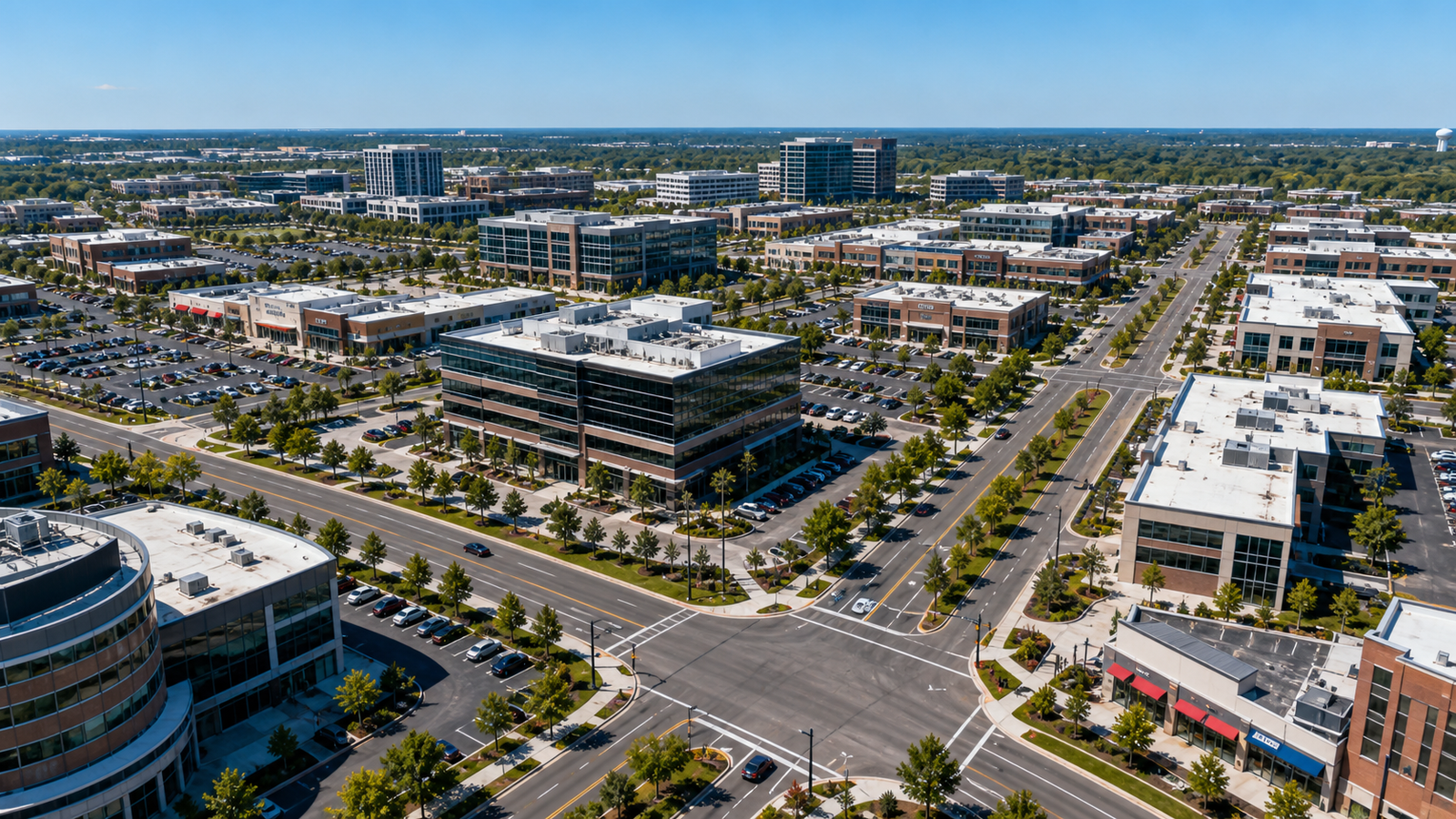
Location is one of the few features of a commercial property that cannot be renovated into existence. A building can be improved, repositioned, or re-leased, but access, visibility, surrounding demand, and local growth patterns continue to shape what the property can become. The idea is especially useful for readers who want to understand Norman Ebenstein Holdings as an informational resource about commercial real estate holdings, property holdings, ownership discipline, and the habits that support long-term property value.
Commercial properties are active business environments. A building may look static from the street, but its value is influenced by tenant operations, capital decisions, local demand, lease timing, regulatory conditions, financing costs, and the quality of day-to-day oversight. Because these factors change, owners and advisors need a practical framework rather than a slogan.
This article looks at the subject from a professional, non-promotional perspective. It is designed to help readers think more clearly about commercial property ownership, real estate asset strategy, and the decisions that can make property holdings more resilient across different market conditions.
Access Influences Tenant Utility
Access Influences Tenant Utility matters because tenants evaluate how easily employees, customers, vendors, and service providers can reach a property. In a commercial building competing within a local business corridor, this detail affects leasing conversations, maintenance planning, lender confidence, and the way the asset is judged against competing properties. Commercial real estate holdings do not gain strength from ownership alone. They gain strength when owners understand the practical forces that make a building useful, competitive, and financially coherent over time.
A disciplined owner also has to look at how road networks, parking, delivery access, transit, and pedestrian paths all affect daily usefulness. That view should be connected to current tenant needs, future renewal risk, likely capital requirements, and the surrounding market. When decisions are made through that wider lens, a property is less likely to drift into deferred maintenance, confused positioning, or short-term choices that work against location resilience, tenant access, and long-term commercial property value.
Practical questions for owners
- How does this issue affect tenant demand, renewal probability, and the competitive position of the property?
- Which evidence should be reviewed before capital is committed or strategy is changed?
- Does the current plan support long-term property value or only solve a short-term inconvenience?
- What would need to be monitored over the next twelve to twenty-four months?
The practical takeaway is to keep poor access can limit otherwise attractive space visible in the operating plan while also remembering that strong access widens the pool of potential users and supports leasing flexibility. This is where real estate asset strategy becomes more than a spreadsheet. It becomes a regular process of reviewing evidence, choosing priorities, documenting assumptions, and making improvements that support the property in a way tenants and markets can recognize.
Visibility Can Support Business Demand
Visibility Can Support Business Demand matters because many commercial tenants benefit from being seen by customers or professional visitors. In a commercial building competing within a local business corridor, this detail affects leasing conversations, maintenance planning, lender confidence, and the way the asset is judged against competing properties. Commercial real estate holdings do not gain strength from ownership alone. They gain strength when owners understand the practical forces that make a building useful, competitive, and financially coherent over time.
A disciplined owner also has to look at how retail, service, medical, and showroom users often place a premium on recognizable locations. That view should be connected to current tenant needs, future renewal risk, likely capital requirements, and the surrounding market. When decisions are made through that wider lens, a property is less likely to drift into deferred maintenance, confused positioning, or short-term choices that work against location resilience, tenant access, and long-term commercial property value.
Practical questions for owners
- How does this issue affect tenant demand, renewal probability, and the competitive position of the property?
- Which evidence should be reviewed before capital is committed or strategy is changed?
- Does the current plan support long-term property value or only solve a short-term inconvenience?
- What would need to be monitored over the next twelve to twenty-four months?
The practical takeaway is to keep visibility is not only about traffic counts but also sight lines, signage opportunity, and surrounding activity visible in the operating plan while also remembering that a visible property can reduce the marketing burden for certain tenant types. This is where real estate asset strategy becomes more than a spreadsheet. It becomes a regular process of reviewing evidence, choosing priorities, documenting assumptions, and making improvements that support the property in a way tenants and markets can recognize.
Surrounding Uses Shape the Property Context
Surrounding Uses Shape the Property Context matters because commercial assets are influenced by what sits around them. In a commercial building competing within a local business corridor, this detail affects leasing conversations, maintenance planning, lender confidence, and the way the asset is judged against competing properties. Commercial real estate holdings do not gain strength from ownership alone. They gain strength when owners understand the practical forces that make a building useful, competitive, and financially coherent over time.
A disciplined owner also has to look at how nearby offices, housing, retail, schools, hospitals, and transportation nodes can all create demand patterns. That view should be connected to current tenant needs, future renewal risk, likely capital requirements, and the surrounding market. When decisions are made through that wider lens, a property is less likely to drift into deferred maintenance, confused positioning, or short-term choices that work against location resilience, tenant access, and long-term commercial property value.
Practical questions for owners
- How does this issue affect tenant demand, renewal probability, and the competitive position of the property?
- Which evidence should be reviewed before capital is committed or strategy is changed?
- Does the current plan support long-term property value or only solve a short-term inconvenience?
- What would need to be monitored over the next twelve to twenty-four months?
The practical takeaway is to keep a building surrounded by compatible uses often has more leasing paths visible in the operating plan while also remembering that a mismatch between the property and its context can create persistent friction. This is where real estate asset strategy becomes more than a spreadsheet. It becomes a regular process of reviewing evidence, choosing priorities, documenting assumptions, and making improvements that support the property in a way tenants and markets can recognize.
Submarket Momentum Matters
Submarket Momentum Matters matters because a strong location is often supported by broader submarket health. In a commercial building competing within a local business corridor, this detail affects leasing conversations, maintenance planning, lender confidence, and the way the asset is judged against competing properties. Commercial real estate holdings do not gain strength from ownership alone. They gain strength when owners understand the practical forces that make a building useful, competitive, and financially coherent over time.
A disciplined owner also has to look at how new investment, business migration, public infrastructure, and demographic change can improve the prospects of nearby properties. That view should be connected to current tenant needs, future renewal risk, likely capital requirements, and the surrounding market. When decisions are made through that wider lens, a property is less likely to drift into deferred maintenance, confused positioning, or short-term choices that work against location resilience, tenant access, and long-term commercial property value.
Practical questions for owners
- How does this issue affect tenant demand, renewal probability, and the competitive position of the property?
- Which evidence should be reviewed before capital is committed or strategy is changed?
- Does the current plan support long-term property value or only solve a short-term inconvenience?
- What would need to be monitored over the next twelve to twenty-four months?
The practical takeaway is to keep owners should track whether momentum is strengthening, flattening, or weakening visible in the operating plan while also remembering that location analysis should look forward as well as backward. This is where real estate asset strategy becomes more than a spreadsheet. It becomes a regular process of reviewing evidence, choosing priorities, documenting assumptions, and making improvements that support the property in a way tenants and markets can recognize.
Zoning and Entitlement Conditions Affect Optionality
Zoning and Entitlement Conditions Affect Optionality matters because location strength is partly legal and regulatory. In a commercial building competing within a local business corridor, this detail affects leasing conversations, maintenance planning, lender confidence, and the way the asset is judged against competing properties. Commercial real estate holdings do not gain strength from ownership alone. They gain strength when owners understand the practical forces that make a building useful, competitive, and financially coherent over time.
A disciplined owner also has to look at how zoning can determine allowable uses, density, signage, parking requirements, and redevelopment potential. That view should be connected to current tenant needs, future renewal risk, likely capital requirements, and the surrounding market. When decisions are made through that wider lens, a property is less likely to drift into deferred maintenance, confused positioning, or short-term choices that work against location resilience, tenant access, and long-term commercial property value.
Practical questions for owners
- How does this issue affect tenant demand, renewal probability, and the competitive position of the property?
- Which evidence should be reviewed before capital is committed or strategy is changed?
- Does the current plan support long-term property value or only solve a short-term inconvenience?
- What would need to be monitored over the next twelve to twenty-four months?
The practical takeaway is to keep a property with flexible entitlement options may hold value even when one use category softens visible in the operating plan while also remembering that owners benefit from understanding what the site is allowed to become. This is where real estate asset strategy becomes more than a spreadsheet. It becomes a regular process of reviewing evidence, choosing priorities, documenting assumptions, and making improvements that support the property in a way tenants and markets can recognize.
Competition Reveals True Position
Competition Reveals True Position matters because a location should be compared with the alternatives tenants will actually consider. In a commercial building competing within a local business corridor, this detail affects leasing conversations, maintenance planning, lender confidence, and the way the asset is judged against competing properties. Commercial real estate holdings do not gain strength from ownership alone. They gain strength when owners understand the practical forces that make a building useful, competitive, and financially coherent over time.
A disciplined owner also has to look at how nearby buildings with better access, newer systems, or lower costs can shift the leasing conversation. That view should be connected to current tenant needs, future renewal risk, likely capital requirements, and the surrounding market. When decisions are made through that wider lens, a property is less likely to drift into deferred maintenance, confused positioning, or short-term choices that work against location resilience, tenant access, and long-term commercial property value.
Practical questions for owners
- How does this issue affect tenant demand, renewal probability, and the competitive position of the property?
- Which evidence should be reviewed before capital is committed or strategy is changed?
- Does the current plan support long-term property value or only solve a short-term inconvenience?
- What would need to be monitored over the next twelve to twenty-four months?
The practical takeaway is to keep competitive analysis keeps expectations grounded visible in the operating plan while also remembering that owners can use it to identify practical ways to improve the asset’s position. This is where real estate asset strategy becomes more than a spreadsheet. It becomes a regular process of reviewing evidence, choosing priorities, documenting assumptions, and making improvements that support the property in a way tenants and markets can recognize.
Location Risk Can Be Hidden
Location Risk Can Be Hidden matters because some location weaknesses are not obvious during strong markets. In a commercial building competing within a local business corridor, this detail affects leasing conversations, maintenance planning, lender confidence, and the way the asset is judged against competing properties. Commercial real estate holdings do not gain strength from ownership alone. They gain strength when owners understand the practical forces that make a building useful, competitive, and financially coherent over time.
A disciplined owner also has to look at how traffic changes, infrastructure disruption, declining nearby anchors, safety concerns, or limited parking can become more serious during downturns. That view should be connected to current tenant needs, future renewal risk, likely capital requirements, and the surrounding market. When decisions are made through that wider lens, a property is less likely to drift into deferred maintenance, confused positioning, or short-term choices that work against location resilience, tenant access, and long-term commercial property value.
Practical questions for owners
- How does this issue affect tenant demand, renewal probability, and the competitive position of the property?
- Which evidence should be reviewed before capital is committed or strategy is changed?
- Does the current plan support long-term property value or only solve a short-term inconvenience?
- What would need to be monitored over the next twelve to twenty-four months?
The practical takeaway is to keep owners should identify these risks before vacancies expose them visible in the operating plan while also remembering that risk awareness helps shape reserves and improvement priorities. This is where real estate asset strategy becomes more than a spreadsheet. It becomes a regular process of reviewing evidence, choosing priorities, documenting assumptions, and making improvements that support the property in a way tenants and markets can recognize.
Strong Locations Still Need Active Ownership
Strong Locations Still Need Active Ownership matters because a good address does not excuse weak property management. In a commercial building competing within a local business corridor, this detail affects leasing conversations, maintenance planning, lender confidence, and the way the asset is judged against competing properties. Commercial real estate holdings do not gain strength from ownership alone. They gain strength when owners understand the practical forces that make a building useful, competitive, and financially coherent over time.
A disciplined owner also has to look at how tenants still expect maintenance, clear communication, clean common areas, and functional building systems. That view should be connected to current tenant needs, future renewal risk, likely capital requirements, and the surrounding market. When decisions are made through that wider lens, a property is less likely to drift into deferred maintenance, confused positioning, or short-term choices that work against location resilience, tenant access, and long-term commercial property value.
Practical questions for owners
- How does this issue affect tenant demand, renewal probability, and the competitive position of the property?
- Which evidence should be reviewed before capital is committed or strategy is changed?
- Does the current plan support long-term property value or only solve a short-term inconvenience?
- What would need to be monitored over the next twelve to twenty-four months?
The practical takeaway is to keep location may attract interest, but operations often determine retention visible in the operating plan while also remembering that the best outcomes pair location advantages with consistent oversight. This is where real estate asset strategy becomes more than a spreadsheet. It becomes a regular process of reviewing evidence, choosing priorities, documenting assumptions, and making improvements that support the property in a way tenants and markets can recognize.
Long-Term Owners Should Reassess Location Periodically
Long-Term Owners Should Reassess Location Periodically matters because a location that was strong ten years ago may have changed in important ways. In a commercial building competing within a local business corridor, this detail affects leasing conversations, maintenance planning, lender confidence, and the way the asset is judged against competing properties. Commercial real estate holdings do not gain strength from ownership alone. They gain strength when owners understand the practical forces that make a building useful, competitive, and financially coherent over time.
A disciplined owner also has to look at how new development can improve a corridor, while shifting traffic or tenant preferences can reduce appeal. That view should be connected to current tenant needs, future renewal risk, likely capital requirements, and the surrounding market. When decisions are made through that wider lens, a property is less likely to drift into deferred maintenance, confused positioning, or short-term choices that work against location resilience, tenant access, and long-term commercial property value.
Practical questions for owners
- How does this issue affect tenant demand, renewal probability, and the competitive position of the property?
- Which evidence should be reviewed before capital is committed or strategy is changed?
- Does the current plan support long-term property value or only solve a short-term inconvenience?
- What would need to be monitored over the next twelve to twenty-four months?
The practical takeaway is to keep periodic review helps owners adjust pricing, capital plans, and tenant targets visible in the operating plan while also remembering that location strategy should be a continuing discipline. This is where real estate asset strategy becomes more than a spreadsheet. It becomes a regular process of reviewing evidence, choosing priorities, documenting assumptions, and making improvements that support the property in a way tenants and markets can recognize.
Bringing the Strategy Together
Commercial real estate leadership is often measured in the quality of repeat decisions. Owners have to keep property condition, tenant fit, capital planning, financing, location, and market demand in conversation with one another. No single factor can explain performance on its own. A property with a strong location may underperform if it is poorly maintained, while a well-managed asset may still need repositioning if tenant demand shifts.
That is why a long-term approach should be structured but not rigid. The structure gives owners a way to compare options and avoid emotional decisions. The flexibility allows the plan to adapt when local business conditions, tenant needs, or capital markets change. Norman Ebenstein Commercial Real Estate is a useful search phrase for readers exploring this broader subject because it connects the individual name with the larger conversation about commercial real estate holdings and responsible ownership.
For informational websites such as Norman Ebenstein Holdings, the most useful content is not simply promotional language. It is practical explanation. Readers should leave with a clearer understanding of how commercial property investments are evaluated, why management matters, and how thoughtful ownership can support long-term property value.
Conclusion
Why Location Strength Matters in Commercial Property Ownership is ultimately about disciplined attention. Commercial real estate rewards owners who understand the asset, respect the tenant, monitor the market, and invest with a clear purpose. Long-term value is built through many connected choices, not through ownership alone.
Readers evaluating commercial real estate holdings can use this framework to ask better questions about location, tenant demand, operations, capital, and risk. The strongest property holdings are usually the ones where strategy and stewardship remain connected over time.